Asthma is an usual chronic problem that impacts countless children worldwide. As caregivers, understanding how to recognize asthma symptoms in children is vital for giving prompt and reliable treatment. In this extensive overview, we will certainly walk through the different facets of asthma administration, from identifying signs to applying first aid measures.
Understanding Asthma: The Basics
Asthma is identified by swelling and narrowing of the air passages, making breathing hard. It can be triggered by numerous elements, including irritants, exercise, climate adjustments, and respiratory system infections. Learning exactly how to identify bronchial asthma symptoms in youngsters can equip you as a caretaker to respond effectively.
What Causes Asthma?
Asthma can come from genetic tendencies or environmental variables. Typical triggers include:
- Allergens: Dust mites, pollen, mold and mildew spores, and pet dog dander. Irritants: Cigarette smoke, air pollution, and solid odors. Physical Activity: Exercise-induced bronchoconstriction can happen throughout physical exertion. Weather Conditions: Cold air or unexpected temperature changes might exacerbate symptoms.
Recognizing Asthma Symptoms in Children
Recognizing asthma symptoms in youngsters includes being watchful regarding adjustments in their habits or health status. Secret signs consist of:
- Wheezing: A high-pitched whistling noise when exhaling. Coughing: Relentless coughing that might intensify during the night or throughout play. Shortness of Breath: Difficulty breathing or really feeling out of breath during physical activity. Chest Tightness: A feeling of tightness or stress in the chest.
By observing these indications early, caregivers can act promptly to take care of the kid's condition.
The Importance of Early Recognition
Early acknowledgment of asthma signs and symptoms can significantly lower the danger of extreme strikes. When caretakers are equipped with expertise regarding acknowledging bronchial asthma symptoms in youngsters, they are much better prepared to take ideal action quickly.
Common Misunderstandings About Asthma
There are several false impressions bordering bronchial asthma that can hinder reliable management:
Asthma is Simply a Childhood Years Illness: While numerous kids have bronchial asthma, it can linger into adulthood. All Asthmatics Wheeze: Not all individuals with bronchial asthma experience hissing; some might just cough. Once Dealt with, It's Cured: Asthma is a persistent condition that needs ongoing management instead of an one-time cure.Understanding these false impressions assists caregivers approach bronchial asthma with realistic expectations.
Choking Avoidance & Emergency treatment Training
In addition to handling bronchial asthma symptoms, caregivers must additionally know choking avoidance methods. Correct training like HLTAID012 certification Australia supplies comprehensive first aid education customized for teachers managing children.
Key Choking Prevention Techniques
Supervise Dish Times: Always monitor young kids while they eat. Cut Food Properly: Cut foods right into little pieces ideal for the youngster's age. Teach Safe Eating Habits: Encourage chewing food thoroughly before swallowing and dissuade speaking while eating.Responding to a Choking Incident
If a youngster begins to choke:
Assess if they are able to cough or take a breath; if not: Call for assistance right away while doing back strikes and stomach drives (Heimlich maneuver). If trained, make use of an EpiPen if an allergy accompanies choking (for those with well-known allergies).Playground Mishaps and Safety and security Protocols
Playgrounds are usually sites for small injuries among children-- an area where appropriate first aid expertise comes into play.
Managing Minor Wounds on the Playground
When crashes happen on the play area:
Assess the injury:- Is it a scrape or cut? Is there substantial bleeding?
Child Defibrillation Guidance
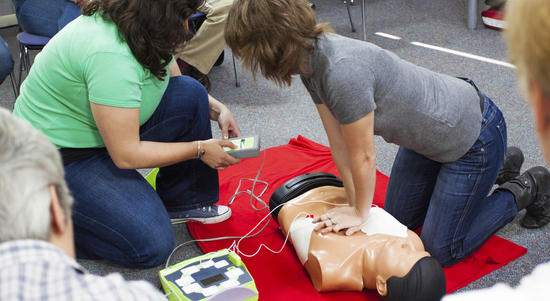
For serious scenarios like cardiac arrest (although uncommon), recognizing kid defibrillation assistance becomes important:
- Ensure you call emergency situation services immediately before starting CPR. Use pediatric pads if offered when using an Automated External Defibrillator (AED).
Building Teacher Confidence Via Training
Equipping educators with first aid training fosters confidence in dealing with emergencies within child care setups.

Written vs Practical Parts of Training
The finest training programs include both written materials and functional workouts:
Written components offer theoretical understanding regarding youth illnesses and first aid protocols. Practical exercises construct hands-on skills required throughout real-life emergencies.This mix makes sure teachers are well-prepared for any type of scenario that emerges relating to acknowledging bronchial asthma symptoms in children or responding to various other incidents like choking.
Incident Coverage Protocols
Effective event reporting protocols aid preserve security requirements within childcare environments.
Steps for Accurate Incident Reporting
Document the occurrence details quickly after it occurs:- Date & & time Individuals involved Nature of the incident Actions taken
Immediate Reaction Duties for Caregivers
As caretakers, understanding your prompt response obligations during an emergency is paramount:
Key Responsibilities Include:
Ensuring safety by eliminating dangers from the atmosphere (e.g., sharp things). Administering first aid as needed based upon your training level (like HLTAID012 accreditation). First Aid Courses Port Macquarie Communicating plainly with parents concerning any cases involving their kid and maintaining openness throughout the process.Renewal Timelines for Emergency treatment Certifications
Maintaining current accreditations ensures that you're constantly prepared-- know your renewal timelines!
Renewal Timelines Overview
|Accreditation|Renewal Frequency|| ---------------|------------------|| HLTAID012|Every 3 years|| Infant mouth-to-mouth resuscitation|Yearly|| Kid Emergency Treatment Fundamentals|Every 2 years|
Keeping track of these timelines stops lapses in essential abilities required for successfully dealing with emergency situations involving youth health problems like asthma or handling choking incidents.
FAQs Regarding Identifying Bronchial asthma Signs in Children
What causes bronchial asthma assaults in children?
Common activates consist of irritants such as allergen and plant pollen; irritants like tobacco smoke; exercise; weather changes; and respiratory infections.
How do I recognize if my youngster's coughing is due to asthma?
If your kid has persistent coughing that worsens during the night or during playtime-- and is accompanied by wheezing-- maybe a measure of asthma.
Can I avoid my child from having a bronchial asthma attack?
While you can not totally prevent asthma strikes, lessening exposure to known triggers can substantially minimize their frequency.
When should I look for medical aid for my child's asthma?
Seek instant clinical focus if your child reveals signs of serious trouble breathing; if their lips or face transform blue; or if they do not respond well to medication.
What needs to I do if my youngster's recommended inhaler isn't working?
If your kid's inhaler isn't supplying alleviation after several dosages over a short duration-- or if their symptoms intensify-- seek emergency clinical assistance right away.
How usually should I have my kid's medicine reviewed?
Regular check-ups every six months-- with modifications made as required-- help ensure ideal control over managing your child's asthma.
Conclusion
Recognizing bronchial asthma signs and symptoms in youngsters is essential for caretakers tasked with ensuring their well-being in your home or within instructional setups alike! By comprehending essential signs such as hissing and persistent coughs-- together with including correct emergency treatment methods-- you contribute significantly in the direction of cultivating secure atmospheres favorable not simply towards discovering yet overall health and wellness too!
With sources like HLTAID012 certification Australia available today together with unwavering commitment in the direction of enhancing teacher confidence around managing childhood years health crises-- we stand far better equipped than ever before!
So let's come together-- as caretakers-- to produce rooms where youngsters flourish without concern associated with chronic problems similar to this one!