Pain sits at the crossroads of science and mankind. Any person who has hung out in an emergency situation department at 3 a.m., staffed an active ward round, or run a rehabilitation clinic understands the weight of that solitary inquiry, "How much pain are you in?" Good discomfort treatment is not a solitary ability, it is a split practice that mixes assessment, pharmacology, procedures, psychology, rehabilitation and ethics. Qualification assists medical professionals framework those layers, confirm capability, and function even more safely across settings. It can likewise open up doors: advanced functions, extent development, and the credibility to influence procedures and educate colleagues.
This guide walks through the most helpful discomfort monitoring training pathways, including brief training courses, certification programs, and detailed pain administration certification. It explains exactly how to pick the appropriate course for your function, what to get out of the educational program, and sensible steps to enroll without hindering your week-to-week scientific work. I weave in examples from method and present requirements, and I will certainly reference both broad international alternatives and niche components such as puaeme008 provide discomfort monitoring, which lines up with emergency situation treatment units.
What discomfort management qualification shows-- and why that matters
Most chronic and acute pain discussions are not addressed by a single order set. A trustworthy discomfort administration certification demonstrates that you can do four points reliably. First, assess discomfort precisely with verified procedures and the best scientific judgment for age, culture, and medical diagnosis. Second, choose and titrate pharmacologic treatment with a grasp of multimodal analgesia, tapering, and the difference in between reliance and an use problem. Third, incorporate non-drug approaches like cognitive behavioral methods, graded movement, and interventional options when suggested. Fourth, interact dangers and assumptions honestly, especially around opioids and procedures.

Employers look for these competencies since they translate into less unfavorable occasions, shorter size of stay in surgical paths, and far better functional results in rehab. Nurses who complete pain management training for nurses typically end up being anchors for ward-based QI jobs, like decreasing time to very first analgesia. Physiotherapists who total pain administration courses for physiotherapists are better at acknowledging main sensitization and pacing rehabilitation suitably, which protects against problems. Physicians with detailed discomfort management qualification often tend to lead opioid stewardship and procedural services.
Types of discomfort management programs and that they suit
The market varies from two-hour micro-credentials to multi-month certification program suffering administration programs with analysis and proctored exams. Choosing the best level relies on your baseline abilities, governing setting, and the individuals you see.
Short training courses hurting management are practical for medical professionals who require targeted updates. A surgical ward might focus on acute post-op analgesia and risk-free ketamine procedures. An area physio may focus on pain neuroscience education and rated direct exposure. Short training courses seldom transform legal extent of practice, yet they load spaces fast.
A discomfort management certificate training course or pain monitoring accreditation course, normally forty to one hundred hours with cumulative evaluation, suits medical professionals that desire structured development. These programs frequently bundle pharmacology, interventional essentials, emotional strategies, and instance conversation. Completing one can satisfy proceeding specialist development requirements and, in some areas, qualify a medical professional for broadened roles within a service.
Pain administration training programs certain to discipline make the finding out stick. Pain management training courses for registered nurses pierce triage, protocolized analgesia, opioid conversions, patient-controlled analgesia (PCA) troubleshooting, and communication under stress. Pain management training for registered nurses typically includes pediatric and geriatric factors to consider, which are high-stakes domains. Pain monitoring training courses for physio therapists stress differential medical diagnosis, movement-based desensitization, graded motor imagery, and result dimension that catches feature as opposed to only pain scores.
Emergency discomfort monitoring is its own language. Pre-hospital and ED groups benefit from modules like puaeme008 offer pain monitoring, an outcomes-focused device used in some proficiency structures that trains medical professionals to prepare and administer analgesia safely in immediate circumstances. These skills are not academic. They show up when you are supplying intranasal fentanyl to a kid with a lower arm crack, or fixing poor alleviation after a femoral nerve block in an older individual with a hip fracture.
Core curriculum: what strong programs in fact teach
Curriculum needs to adhere to the client journey, not a textbook index. In method, great programs cover the essentials and force application under supervision or instance review.
Start with assessment. A program that deals with the numerical ranking range as the entire story is not worth your time. Better courses teach multi-dimensional evaluation: numeric ranges, practical goals, behavioral hints for non-verbal individuals, neuropathic discomfort displays, warnings for sinister causes, and the subtleties of intense on chronic presentations. Nurses find out to detect opioid-induced hyperalgesia impersonating as under-treatment. Physiotherapists learn to divide nociceptive tons from fear-driven evasion. Physicians discover to convert background right into mechanism-based differential diagnosis.
Pharmacology needs greater than dosing tables. The strongest training walks through multimodal approaches, for example combining acetaminophen, NSAIDs, gabapentinoids, and low-dose ketamine with local anesthetic. It additionally drills into adverse result administration, renal and hepatic adjustments, and mindful opioid initiation and rotation. Programs must cover tapering approaches with timelines, not simply "go slow-moving." A discomfort monitoring accreditation that prevents the topic of opioid stewardship is not credible.
Procedural exposure issues. Even if you will not perform interventions, understanding indications and contraindications for trigger factor shots, peripheral nerve blocks, epidurals, and radiofrequency ablation shapes your referrals and expectations. Emergency pain administration modules commonly consist of hands-on experiment landmark-guided fascia iliaca and ultrasound-guided nerve blocks. In my experience, a well-taught nerve block can be the difference between a distressed older adult and a stable, cooperative client awaiting surgery.
Rehabilitation and psychology are not "added." A program that integrates cognitive behavioral therapy concepts, approval and dedication treatment approaches, and rated direct exposure will change how typically you see an individual go back to the ED. Pain management courses for physiotherapists must consist of pain neuroscience education and learning that clients can comprehend. A specialist that can explain why hurt does not constantly equal injury can defuse the spiral of immobilization and deconditioning.
Communication skills are worthy of explicit teaching. Reviewing unpredictability, risk, and sensible timelines for persistent discomfort is hard, and it forms results. Solid programs include substitute talk to inspirational interviewing methods and instruct exactly how to set practical objectives rather than chasing after no pain.
Finally, dimension and high quality improvement connect it all with each other. You must leave a program prepared to track outcomes such as time to analgesia, PCA error prices, or proportion of chronic low neck and back pain people with recorded functional goals. Accreditation ends up being sturdier when you can show impact.
Recognized certificates and common providers
Different regions use various certifying bodies. Seek programs backed by a college, a professional university, or a revered health and wellness education and learning organization. Several nations offer a postgraduate certification training course in pain monitoring through medical or nursing colleges. These often run for three to six months with a mix of self-paced modules and live situation discussions. Allied health colleges host pain monitoring training courses that line up with their proficiency frameworks, occasionally embedded within musculoskeletal or neurorehabilitation streams.
Hospitals with strong anesthetic or rehabilitation divisions sometimes offer discomfort administration training course options connected to inner methods. If you operate in such a system, an inner program can be the fastest course to practice adjustment, since you find out on the equipment and paths you will really use.
Within emergency situation treatment, puaeme008 offer pain monitoring shows up in competency magazines that stress prompt, secure analgesia shipment. It is suited to paramedics, ED nurses, and immediate treatment clinicians who require to demonstrate practical proficiency of dosing, surveillance, and documentation under time pressure.
Online learning has matured. The best pain management courses currently use instance vignettes, tele-simulations, and discussion boards moderated by real medical professionals. Totally video-only lectures without application seldom stick. Hybrid styles with local preceptors, even informally prepared, create better practice change.
How to vet a discomfort administration qualification prior to you commit
Credentials are just as good as the learning behind them. I make use of an easy filter. First, faculty. Do they release, teach scientifically, and still see patients? An equilibrium of anesthetic, rehab, psychology, and nursing professors creates healthier argument and more sensible solutions. Second, analysis. A pain management accreditation course ought to check application, not facts. Try to find case-based examinations, OSCE-style assessments for procedures, and rated projects with responses. Third, time on job. Programs declaring proficiency in a weekend break are aspirational at finest. Forty to sixty committed hours with organized method is a practical minimum for meaningful growth throughout domains.
Fourth, fit. Pain management training for nurses need to show your practice setup. If the curriculum presumes a tertiary facility with block areas and over night pharmacists, it might not equate to a little medical facility without those resources. Fifth, support. Ask about advisor access, workplace hours, and post-course areas. The concerns that matter most have a tendency to appear three weeks after the last webinar when you satisfy an edge case.
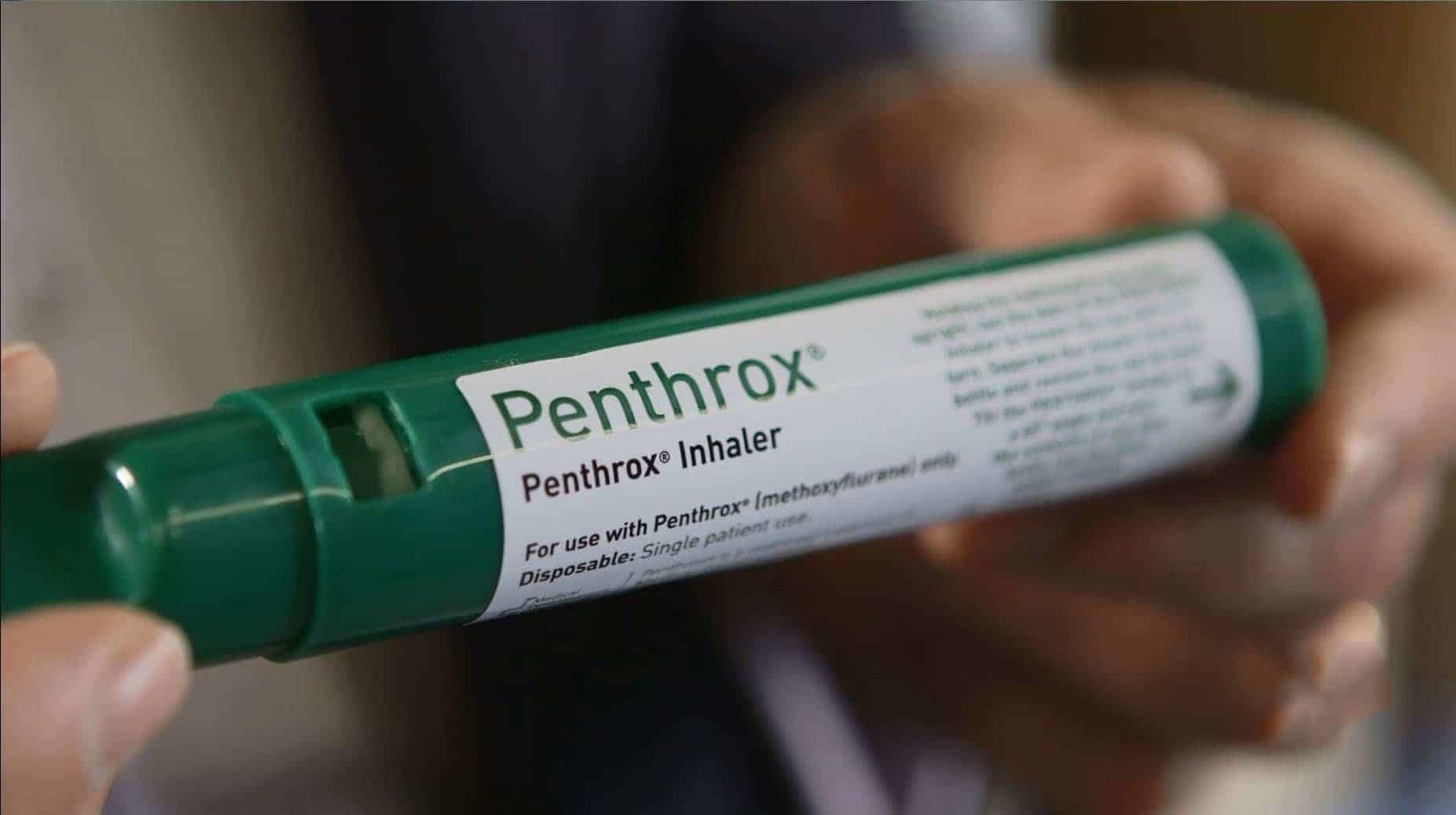
If a program includes puaeme008 provide discomfort monitoring, validate positioning with your regional drug authorities and methods. As an example, intranasal fentanyl dosages, ketamine mixture plans, and scope for nurse-initiated analgesia vary by territory. A good provider will map their competencies to local standards or deal region-specific addenda.
What registration really looks like
Most service providers approve applications on a moving basis. You will certainly send a certificate, a CURRICULUM VITAE, and in some cases a short declaration of technique objectives. University-backed certification programs might request transcripts. Brief programs typically register straight with repayment and an attestment that you hold the pertinent clinical role.
Expect clear prerequisites. Discomfort management courses for physiotherapists might call for previous musculoskeletal or neuro modules. Pain administration training for registered nurses frequently needs existing enrollment and a specified minimum medical experience, for example 6 to twelve months. Emergency discomfort administration modules like puaeme008 give discomfort management typically checklist important pre-reads and require hands-on presence for skills assessment.
Schedules vary. Some programs use evening webinars, others run weekend break intensives. Crossbreed training courses may gather hands-on sessions every couple of weeks. https://collinvqhr778.fotosdefrases.com/short-programs-suffering-monitoring-accreditation-for-busy-medical-professionals If you remain in shift work, ask early concerning videotaping access and makeup assessments. A lot of companies are useful regarding the truths of healthcare schedules.
Costs range widely. Short online modules may cost a few hundred bucks. Comprehensive discomfort administration certificate programs can range from 1,000 to 4,000 USD equivalent, depending on credentialing and call hours. Consider time for analyses and any kind of on-site days. Several health centers repay pain management training if you can reveal relevance to your unit's goals, such as post-op paths or persistent pain solution development.
A based overview of the best program archetypes
The finest program for you depends on the troubles you are trying to resolve. When my orthopedic service intended to reduce time to very first analgesia in severe fractures, we bought emergency discomfort monitoring training with an ultrasound-guided nerve block workshop. When our outpatient clinic struggled with consistent reduced neck and back pain bounce-backs, the physiotherapy group finished a certification program suffering administration with a hefty focus on pain neuroscience and rated exposure. Both actions produced measurable modification within three months.
For generalists in medical care or hospital medication, I advise a structured pain administration accreditation coupled with a numbing stewardship component. Generalists require to understand practical taper plans, the lawful landscape of opioid agreements, and when to escalate to interventional or behavior associates. Try to find programs that instruct threat reduction without fear-mongering, which address comorbidities such as sleep apnea and depression.
For registered nurses on medical and clinical wards, pain monitoring training for registered nurses that consists of PCA administration, opioid conversion, naloxone methods, and geriatric pain analysis makes daily job much safer. Add-ons in delirium administration and communication with families reduce rubbing during rounds.
For physiotherapists, choose discomfort management programs for physiotherapists that instruct screening for significant pathology, central vs outer motorists, and that offer scripts and visuals for person education and learning. The very best ones press you to capture feature through details, quantifiable goals tied to activity, not simply signs and symptom diaries.
For ED and pre-hospital teams, emergency situation pain management modules that incorporate puaeme008 provide discomfort monitoring, IN fentanyl procedures, ketamine analgesia, and local anesthetic basics can transform throughput and patient contentment. Highlight documentation and monitoring criteria. If your solution takes on fascia iliaca obstructs, your hip fracture path ends up being smoother overnight.
What a regular week inside a great program feels like
You will certainly read, see, and afterwards attempt. A Monday could begin with a lecture on acute pain paths after tissue injury, followed by a case vignette wondering about whether to include a gabapentinoid for an individual with rib cracks. By Wednesday, you have a small seminar on opioid rotation, required to compute morphine milligram matchings and readjust for kidney disability. Thursday brings an abilities session where you exercise ultrasound recognition of femoral nerve spots, with a faculty member that interrupts your strategy till your functional designs and needle tracking are risk-free. Over the weekend, you write a quick reflection on a current individual where pain and are afraid tangled together, and you map a plan to attend to both motifs on the following visit.
The assessment does not really feel abstract when it mirrors your clinic. Among my preferred tasks needed bookkeeping 5 successive post-op individuals: time to very first analgesia, antiemetic usage, and whether practical objectives were recorded. The findings, not the grade, drove our team meeting and later on a procedure change.
Key risks and just how to prevent them
A program can look glossy and still let down. I have seen programs with excellent branding and thin material. Expect https://jsbin.com/xerilayufo red flags. Overemphasis on a single method, like shots or a solitary drug course, signifies prejudice. Avoid anything that guarantees fast repairs for chronic pain. A program that neglects sleep, state of mind, and movement in chronic discomfort is incomplete.
On the other side, prevent programs so theoretical that application and monitoring barely show up. If a module can not tell you the secure array for ketamine analgesia mixtures, or exactly how to change hydromorphone in kidney impairment, you will certainly be underprepared genuine patients.
Scope creep is another trap. Discomfort monitoring qualification does not bypass your legal practice borders. Good training teaches partnership, not lone-wolf technique. For example, a nurse may become expert in assessment and protocolized initiation under standing orders, however still partners with prescribers for accelerations. A physio therapist can grasp pain education and learning and rated direct exposure without stepping into medicine management.
How to enroll, step by step
- Clarify your objectives. Compose a short statement of what troubles you intend to address or what function you wish to turn into. This anchors your selection in between short training courses hurting monitoring and a broader pain management certification. Shortlist providers. Include a minimum of one university-backed certificate training course hurting monitoring, one discipline-specific option, and one emergency situation discomfort administration component if relevant. Look for certification and faculty experience. Map the logistics. Contrast timetables, required on-site days, evaluations, and costs. Confirm fit with your shift patterns and leave calendar. Secure assistance. Ask your manager concerning funding and research time. Tie your demand to solution metrics, such as decreasing unchecked pain scores or enhancing discharge readiness. Apply and prepare. Submit your files early, total any kind of pre-course analyses, and organize professional situations where you can apply brand-new skills under mentorship.
That series maintains energy. Lots of clinicians delay at action 2 when confronted with way too many options. If you establish a target date for choosing and loophole in your supervisor for support, registration moves quickly.
Examples certainly blends that operate in the real world
In a regional hospital with restricted accessibility to anesthesia-led nerve blocks, our ED team invested in an emergency situation pain management bundle that consisted of puaeme008 give pain monitoring, a half-day ultrasound workshop, and protocol rollouts for IN fentanyl and ketamine analgesia. We combined that with a nurse-led audit of time to initial analgesia. Within 8 weeks, mean time to analgesia stopped by virtually 40 percent, and individual problems about unmanaged discomfort fell.
In a multidisciplinary pain clinic, the physiotherapy and nursing teams finished identical discomfort monitoring programs tailored to their functions. The physio therapists focused on rated exposure and motor imagery. The registered nurses focused on opioid stewardship, PCA troubleshooting, and interaction techniques for individuals irritated by slow progression. We added a shared module on inspirational speaking with. The facility started capturing function-based results monthly and saw a purposeful bump in return-to-work rates across 6 months.
In health care, a tiny team of General practitioners and a medical pharmacist took a discomfort administration accreditation program together. The pharmacologist led drug testimonials and taper plans, while the General practitioners concentrated on differential medical diagnosis and reference thresholds for interventional pain consults. They built a shared design template that recorded goals, rest, mood, and flare-up plans. This small operational modification reduced unscheduled visits for chronic bone and joint discomfort in their practice.
How to maintain abilities fresh after you certify
Certification is a picture. Technique develops. Set a tempo for refresher courses. Yearly, revisit opioid policies and monitoring requirements, since laws and evidence shift. Every quarter, run a small instance seminar where you divide one success and one failing. If you discovered regional anesthesia, schedule oversaw practice sessions up until your number of secure, successful blocks surpasses a limit that you and your service define.
Teaching maintains you sharp. Deal to lead a huddle on discomfort evaluation in non-verbal individuals, or run a micro-teach on recognizing opioid-induced hyperalgesia. Pair with a colleague from one more self-control to co-teach. You will detect your own blind spots in the process.
Track one metric that matters to your device. Time to very first analgesia, proportion of people with documented practical goals, or price of unplanned returns for pain flares are all legitimate. Enhancement is easier to sustain when you can verify it.
Where key phrases satisfy practice
If you are scanning training course catalogs, you will see several variations on the very same motif: discomfort administration training, discomfort administration programs, pain management certificate, and pain management accreditation program. The tag matters much less than the framework and analysis. For nurses, focus on pain monitoring training for registered nurses that shows your population, such as pediatric medicines, oncology, or geriatrics. For physiotherapists, look for discomfort monitoring programs for physiotherapists that balance neuroscience education with practical rated task and direct exposure methods. If your function includes triage and immediate treatment, try to find emergency pain administration modules or those that explicitly include proficiencies like puaeme008 offer pain administration. Short programs suffering monitoring can plug understanding voids quickly, while a complete certificate course in pain management settles cross-disciplinary skills and signals dedication to your profession trajectory.
Final ideas from the center floor
Good pain care feels calm and methodical, also when the department is loud. Analysis is calculated. Dosages are planned. Activity is urged. Expectations are clear. Certification does not assure that feeling, however it lays the tracks. The ideal discomfort administration program, selected for your role and your people, gives you language, techniques, and confidence. You will certainly still fulfill side instances that extend you. That is part of the job. If you maintain finding out, collaborate throughout disciplines, and measure your effect, your clients will certainly feel the difference long prior to a certification appears on your wall.